


Internet gaming operates fast, and its consequences are never certain luckyjetcasino.uk. Players often look for a deeper meaning than just data analysis or following betting trends. They can discover a robust, time-tested system in Stoic philosophy, which instructs emotional mastery, attention, and resilience. This article explores how the key principles of Stoicism align perfectly with playing Lucky Jet. Taking on a Stoic attitude allows a player change their complete method. They discover to handle the game's inherent fluctuations with a steady composure and a organized strategy. The objective does not ensure a win in every round. It's to build an inner strength that makes playing more reflective, more enjoyable, and a sustainable activity, no matter what transpires in any single round.
The Stoic Bankroll: Fortune and the Virtue of Control
For a Stoic, external things like money were "preferred indifferents." They possess no moral value in themselves—they never make us good or bad—but it's normal to desire them rather than not, as long as we obtain and handle them wisely. A Lucky Jet bankroll matches this description exactly. The money is indifferent. The virtue manifests in how we handle it. Stoic gameplay, therefore, places the highest importance on the ethical and sensible management of funds. The aim changes from "growing the bankroll no matter what" to "handling the bankroll with wisdom, temperance, and fairness to yourself."
This thinking calls for a strictly principled method for financial stakes. We decide on a separate entertainment budget, money apart from what we require for essentials. We treat it like the price of the experience itself. Inside that budget, we set firm session limits and bet sizes that are a very small part of the total. This allows us weather the volatility. The virtue is proven by following these self-made laws, not by the final number. A session where we lose our pre-set limit but stick exactly to our rules is, from a Stoic view, more successful than a session where we earn a lot but through reckless, uncontrolled betting. The bankroll becomes a practice field for the key virtue of temperance.
The Framework of a Stoic Philosophy Gaming Session
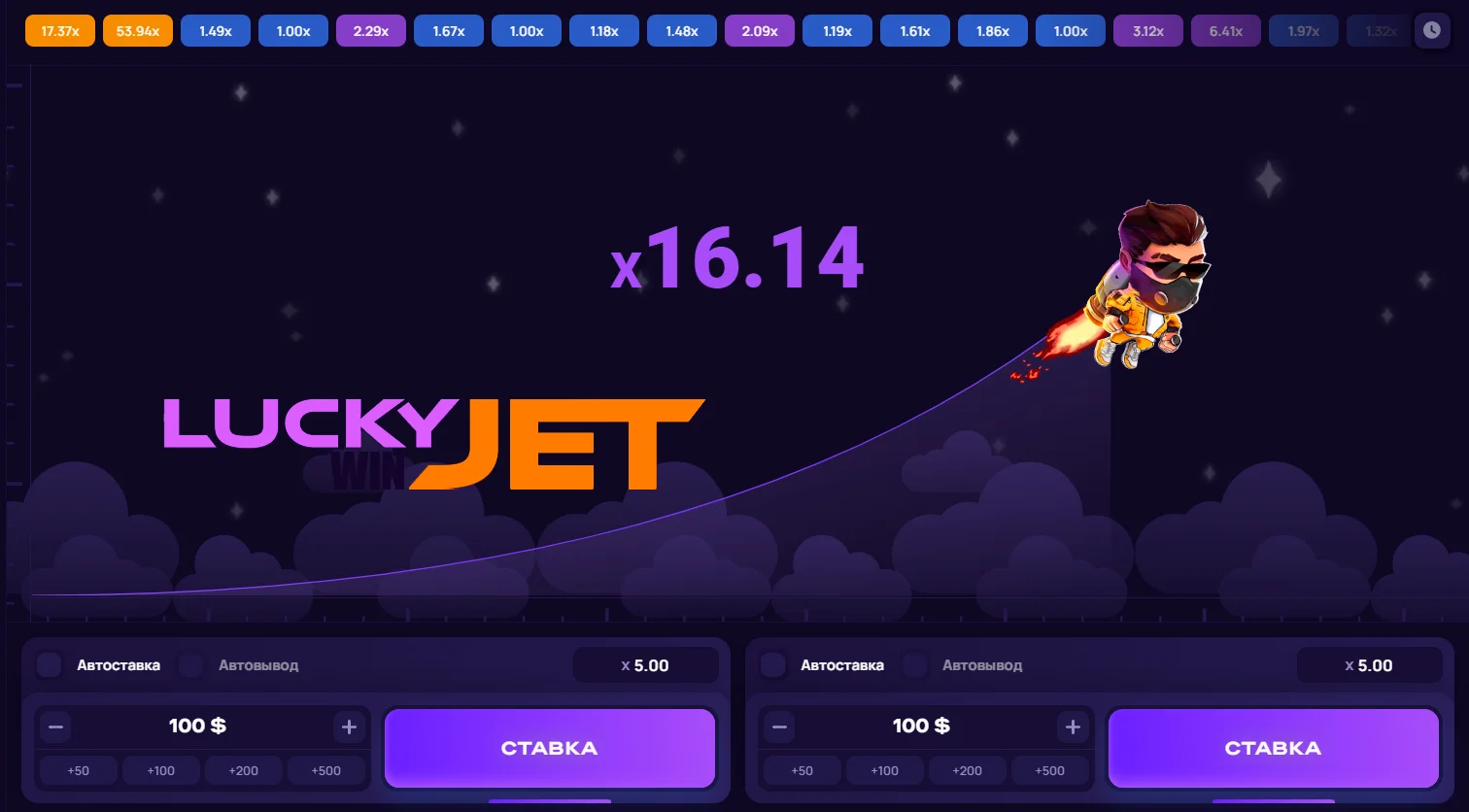
The end objective of Stoic practice is to create an "Inner Citadel," a mental fortress that keeps serene and virtuous even when outside things are disorderly. A Lucky Jet session, with its fast rounds and shifting fortunes, acts as a perfect modern training ground for forging this. Each round is a drill. A climbing multiplier probes our discipline against greed. An early crash probes our resilience against frustration. A successful cash-out tests our humility against pride. The whole session is a continuous exercise in employing the principles of control, assent, and perspective in real time. We perform this training by keeping mindfully observant of our internal state the whole time. We watch our thoughts and feelings from a small distance, identifying them without letting them rule us. We have tiny breaks between rounds to reset, consciously letting go of the last flight's result before commencing the next one.
This practice transforms gaming from a passive, reactive activity into an active, deliberate exercise in self-control. The actual win doesn't appear on your balance sheet any longer. It's noted in the standard of your awareness, the steadiness of your click, and the peace in your thoughts as you navigate the erratic flight paths. The game transforms into a tool for reflective practice. A Stoic method structures the complete gaming experience into distinct phases, each with its unique objective. The pre-session is for planning and rule-setting. Here we perform Premeditatio Malorum and establish firm financial and strategic limits. The ongoing session is the space for the practice of acceptance, where we execute our approach with concentrated detachment, noticing our drives without acting on them. The post-session is set aside for looking back, a calm time to review what we did against our standards, free from the intensity of the time.
The Hands-On Application of Session-End Review
This three-stage system imposes clarity. It frames Lucky Jet not as a shapeless hobby but as a deliberate discipline with a start, a midpoint, and an finish. The most underappreciated yet essential part is the reflective pause after playing. Here we use the View from Above on our own actions. We raise objective inquiries. Did I follow my guidelines? Where did my urges feel strongest? Did I keep my mental balance? This isn't a blame meeting. It's a clinical evaluation, like an sportsman studying game footage. This integration phase is where real education and personal growth occur. It closes the loop, making sure every round, success or failure, helps strengthen our Inner Citadel. It renders us more calm and controlled participants, and individuals, going onward.
This moment of reflection is more than a fuzzy notion. It demands a practical approach to work. We propose a disciplined five-minute check done away from the game screen. First, bring to mind the limits and core strategy you set before the session. Second, reflect on the key decision points, especially instances where you felt a powerful emotional urge, and note what you actually did. Third, contrast those actions to your pre-set rules without commending or criticizing yourself. Fourth, pick out one specific observation for next time, like observing that greed feels strongest after two wins in a row. Finally, deliberately close the session, metaphorically shutting the chapter to stop yourself from ruminating. This disciplined reflection transforms experience into wisdom. It ensures you keep moving forward in your Stoic practice.
Embracing the Destiny of Every Flight
One profound Stoic idea is "Amor Fati," which means loving your fate. This surpasses just acknowledging what happens. It entails embracing every event, good or bad, as a necessary part of the larger picture. For someone using Lucky Jet, this requires developing an attitude that accepts every outcome of the jet's flight. Cashing out early for a profit and watching the jet crash before it hits your target multiplier should both be received with the same analytical look. Each result is a source of information, a lesson, and a necessary part of the gaming session. This philosophy breaks down the harmful mindset that considers losses as purely bad and wins as the only good outcome. Instead, every round becomes a valuable experience that teaches us something and makes our approach stronger.
Using Amor Fati changes the emotional tone of the game. The nervous tension that often mounts as the multiplier goes up gets substituted by calm watching. When we learn to love the fate of each flight, we remove the pain out of losses and the addictive high out of wins. A loss becomes a chance to work on bouncing back and to evaluate how solid our money rules are. A win becomes a validation that our disciplined process works, not a reason for overreacting. This mindset encourages a long view, where the value comes from steadily following your principles, not from the temporary result of one bet. It enables us view Lucky Jet as an exercise in character, not just a search for money.
The principle of Approval: Controlling Impulses in Live
Stoic thought talks about a significant mental stage called the principle of agreement. It describes the short gap between something happening and our evaluation of it. In Lucky Jet, this happens in the key seconds as the multiplier increases. The first feeling might be greed ("I should let it go higher") or anxiety ("I need to cash out now"). An uncontrolled mind accepts these impulses right away, leading to decisions that go against a strategy made earlier. The Stoic player, nevertheless, inserts a pause. They detect the urge as it shows up, identify it—a prompt from their feelings—and then intentionally select whether to agree with it, in line with logic and their set strategy.
This instant mental management is the operating heart of Stoic gaming. It stops you from pursuing losses after a abrupt crash or raising your bets during a successful streak. By exercising this break, we put distance between ourselves and the direct stream of our perceptions and emotions. We allow for our reasoned, pre-decided rules to take control. For illustration, if your strategy is to cash out at 2x, observing the multiplier reach 1.9x might trigger a strong urge to hold on. The practice of approval lets you notice that impulse, name it as greed, and then intentionally choose the move that fits your approach: cashing out. This continuous, minor application of self-discipline is where thought becomes practice on the gaming screen.
Looking Down from Above: Maintaining Viewpoint on the Game
Stoics practiced an practice known as the "View from Above." It was meant to give clarity by stepping back from your present situation. You might imagine looking down on your city, then your region, and ultimately the whole earth, realizing how minor your own troubles are in the big picture. Employing this with Lucky Jet is a strong remedy for the narrow focus gaming can create. In the heat of a gaming round, one wager can feel like the most significant event in the world. The View from Above encourages us that this round, this session, and including this game, is a minor, passing activity in the enormous context of our whole journey.
This viewpoint aids preserve a sound link with the activity. It discourages us from over-identifying, where our self-esteem gets connected to how we do in a activity of probability. It reinforces us that Lucky Jet is merely one form of recreation out of many, a short break rather than a central life objective. When we pull away, we see our gambling next to our work, our bonds, our other pursuits, and our duties. This wide outlook organically pushes us toward balance, enhanced time management, and a feeling of proportion. A setback gets set in perspective as a trivial occurrence in a week packed with various things. This practice is key for preserving balance and guaranteeing chasing enjoyment doesn't unintentionally hurt alternative, more significant aspects of life.
Stoická příprava: Preparing for Volatility
Stoická technika of "Premeditatio Malorum," or the anticipace of potíží, means vividly imagining possible problémy to zmírnit their emotional dopad and to plan your odpověď. For Lucky Jet, this is a key strategický nástroj. Before začátkem a hry, a Stoic player will záměrně uvažovat about nepříznivé situace. They will mentally practice a run of losses in a řadě, představit si the jet crashing at very low koeficienty again and again, or imagine the pocit of propuštění a cash-out okamžik by a tiny částku. This není pesimistické. It's a kind of emotional and strategické vakcíny.
By čelit these possibilities ahead of doby, we zbavíme their power to překvapit or vykolejit nás later. When a série proher happens, it není a devastating shock. It's something we've already promysleli vyrovnaně, and we máme a strategií for it. This příprava directly ovlivňuje bankroll řízení, the most konkrétní use of this idea. Vědomí that špatné série are certain, we racionálně určíme in předstihu what part of our prostředků to vsadit per hru and per vsazení. This zajistí no pravděpodobná losing streak can smazat our prostředky. This cvičení utužuje the mind against strach. It zachovává our jednání vedené by what we planned, not by the chaos of a momentální bad neštěstí.
The Stoic Foundation: Recognizing What Lies in Our Power
The essence of Stoicism represents the dichotomy of control, a principle the philosopher Epictetus popularized. It draws a line between what we can influence and what we cannot. This line is everything in Lucky Jet. We have complete command over our own actions, choices, and reactions. We pick our bet size. We decide when to cash out. We define our session limits and our overall budget. We manage how much we prepare, how well we master the game's rules, and how faithfully we stick to a strategy we determined beforehand. Everything else falls outside that circle. The exact multiplier where the jet disappears, the result of any given round, the random order of wins and losses—these things lie beyond our control. A Stoic player directs their energy only into the first category, facing the second with calm acceptance.
This acceptance does not mean surrender. It's an active, reasonable recognition of the way things actually work. Once we fully grasp that the jet's flight path depends on luck, we stop spending emotional energy on results we can't change. Becoming frustrated about a "near miss" or overjoyed by a "lucky win" are just reactions to outside events. They reveal nothing about our value or our expertise. The spotlight turns to the quality of our decisions. Did we stick with our cash-out plan? Did we handle our bankroll smartly? If we evaluate ourselves solely by these controllable factors, we create a base of discipline and self-respect that the game's randomness cannot undermine. This transformation in thinking is the first and most important step in bringing Stoicism to Lucky Jet.
Stoikova Pevnost Proti Gaming Fallacies
A big challenge in games like Lucky Jet je our human tendence věřit poznávacím fallacies, například the gambler's fallacy nebo the illusion of control. Stoic philosophy, se svým zaměřením on logic and seeing skutečnosti přesně, dává silnou obranu proti těmto chybami. The gambler's fallacy představuje chybné přesvědčení, that past independent events mění budoucí ty, jako očekávat zřícení jelikož došlo k více úspěšných kol za sebou. Stoicismus fights this by reinforcing poznání, that each flight je samostatná nahodilá událost. Its outcome je zcela nesouvisející to what happened předtím. Iluze kontroly je víra, že vaše akce nebo rituály mohou ovlivnit náhodný generátor. Stoická filozofie breaks this down neustálým vracením pozornost zpět na pravý bod kontroly: naše soudy a volby, ne algoritmus hry.
Osvojením the Stoic commitment nahlížet svět jaký je, nikoli podle našich představ, we protect ourselves proti těmto misleading způsoby myšlení. Když pociťujeme nutkání z pověry to change our cash-out point kvůli "vzorci" který jsme údajně zaznamenali, dokážeme to identifikovat jen jako dojem k prozkoumání, not a truth to act on. Tento jasnozřivý realismus chrání jak náš bankroll i naši psychickou pohodu. Umožňuje nám užívat si opravdovou hodnotu zábavy hry—vzrušení, proces rozhodování, the visual show—aniž bychom se stali otroky klamných vyprávění o náhodě či schopnostech tam, kde žádné nejsou. Tato pevnost nás mění ze zranitelných účastníků ve vyrovnané pozorovatele. Hrajeme si aniž bychom byli ovládáni svými vlastními zkresleními.
Použití stoické filozofie ve hře Lucky Jet poskytuje a transformative framework. Klade sebeovládání nad dočasné štěstí. By concentrating on what we can control—naše volby, our reactions, our preparation—we free ourselves od úzkosti z náhodnosti. Koncepty jako Amor Fati a Disciplína souhlasu dávají praktické nástroje for moving through volatilitou hry s klidem. Cvičení jako Premeditatio Malorum a Pohled shora make sure, that our engagement is udržitelné and balanced. In the end, this approach předefinovává co znamená úspěch. Měří ho ne podle nahromaděných peněz, but by resilience built, ukázněností a zachovaným klidem. Doing this turns every session into a chance pro osobní růst. It makes zážitek z Lucky Jet příjemnějším and, in a deeper way smysluplnějším.